About Us
Hannah International Relief Foundation (HIRF) is a women-led, registered non-profit and non-governmental organization registered on the 3rd July, 2020 with a registration number CAC/IT/NO148006. We are dedicated to saving lives, protecting dignity, and building resilient communities affected by poverty, displacement, conflict, and inequality.
We deliver integrated, life-saving humanitarian assistance and sustainable development solutions to vulnerable and marginalized populations, including internally displaced persons (IDPs), women, children, and communities affected by crisis. Our work is rooted in the understanding that challenges such as poor health, malnutrition, inadequate access to water and sanitation, gender inequality, violence, and conflict are interconnected and therefore require coordinated, community-driven solutions.
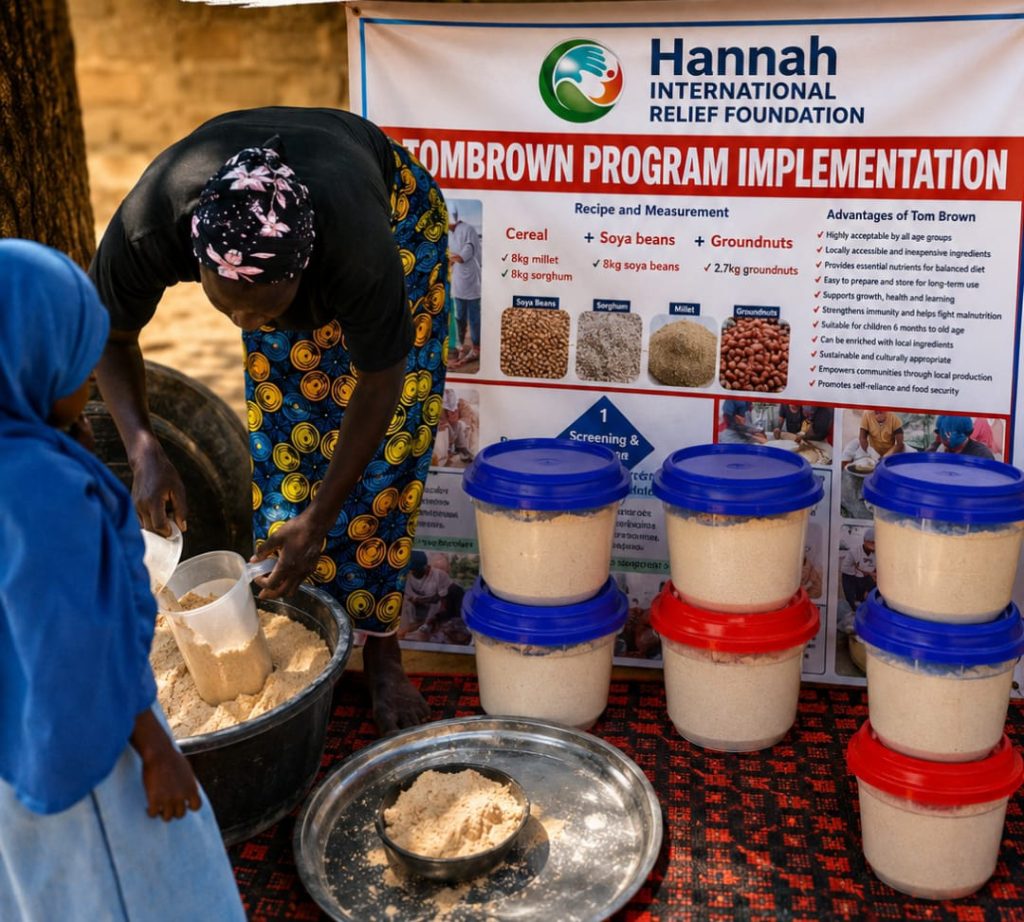
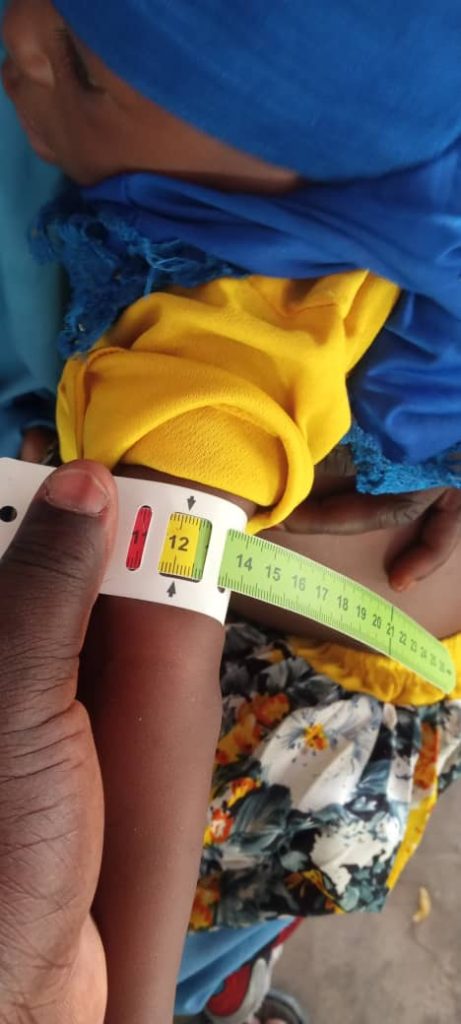
Our programs bring together Water, Sanitation and Hygiene (WASH), Nutrition, Gender-Based Violence (GBV) prevention and response, Protection, Peacebuilding, and Sustainable Livelihoods to address both immediate humanitarian needs and the underlying causes of vulnerability.
We work alongside communities to strengthen local capacity, restore dignity, promote self-reliance, and create pathways toward sustainable recovery and social stability.
Our Vision
A violence-free society where women, girls, and children are educationally and economically empowered for self-sustenance.
Our Mission
To alleviate human suffering by building a future in which vulnerable people live in harmony with nature while developing sustainable livelihoods and creating opportunities for a dignified and resilient life.
Our Core Values
Humanitarian Principles
We uphold the principles of humanity, neutrality, impartiality, and independence in all our interventions.
Do No Harm
We prioritize the safety, dignity, privacy, protection, and well-being of the people we serve, ensuring that our interventions do not expose communities to additional risks or discrimination.
Accountability
We are committed to transparency and responsible stewardship of resources, remaining accountable to the communities we serve, our partners, donors, and other stakeholders.
Gender Equity
We work to address systemic barriers and inequalities affecting women and girls and promote their meaningful participation, leadership, safety, and economic empowerment.
What We Do
Water, Sanitation and Hygiene (WASH)
Our WASH programs aim to improve access to safe water, dignified sanitation, and appropriate hygiene practices while reducing the risk of waterborne diseases.
Our interventions include:
- Drilling and solarizing boreholes and rehabilitating hand pumps.
- Establishing community-driven water management structures.
- Constructing climate-resilient and gender-segregated latrines.
- Providing emergency sanitation facilities in schools and health facilities.
- Conducting Community-Led Total Sanitation (CLTS) activities.
- Promoting hygiene practices within vulnerable communities.
- Supporting adolescent girls through Menstrual Hygiene Management (MHM) initiatives.
Nutrition
We address both the immediate and underlying causes of malnutrition, particularly among children under five, pregnant women, and lactating mothers.
Our nutrition interventions include:
- Treatment and management of severe and moderate acute malnutrition through appropriate community and facility-based services.
- Support for Outpatient Therapeutic Programs (OTP) and Stabilization Centers (SC).
- Infant and Young Child Feeding (IYCF) and Maternal, Infant and Young Child Nutrition (MIYCN) counselling.
- Mother-to-Mother support groups.
- Promotion of exclusive breastfeeding and appropriate complementary feeding.
- Nutrition-sensitive interventions linking food security, home gardening, dietary diversification, and access to clean water.
Gender-Based Violence, Protection and Women’s Empowerment
We are committed to preventing and responding to violence against women and girls while strengthening systems that promote safety, dignity, and resilience.
Our work includes:
- Survivor-centered GBV case management and referral services.
- Psychosocial support and access to medical and legal services.
- Establishment and support of Women and Girls’ Safe Spaces.
- Skills development and economic empowerment initiatives.
- Trauma healing and peer-support activities.
- Community awareness and prevention initiatives.
- Safety audits and consultations with women and girls to reduce protection risks around water points, sanitation facilities, and other community infrastructure.
Peacebuilding and Conflict Resolution
We recognize that sustainable development cannot be achieved without peace and social cohesion. Our peacebuilding interventions focus on strengthening community capacities to prevent and resolve conflict and promote peaceful coexistence.
We support:
- Community-based early warning and early response mechanisms.
- Peace committees and local conflict mediation structures.
- Social cohesion initiatives.
- Alternative livelihoods and vocational opportunities for vulnerable and at-risk youth.
- Dialogue between communities, conflicting groups, local authorities, and civil society organizations.
- Equitable access to community resources as a means of reducing resource-based conflict.
Our Integrated Approach
One of Hannah International Relief Foundation’s greatest strengths is our integrated programming approach.
We recognize that humanitarian and development challenges rarely exist in isolation. A child suffering from malnutrition may also be exposed to unsafe water and poor sanitation, while their mother may face gender-based violence, economic hardship, or displacement. Addressing only one of these challenges may provide temporary relief without addressing the underlying vulnerabilities.
For this reason, we design programs that connect multiple sectors to achieve greater and more sustainable impact.
For example:
WASH and GBV: Safe and accessible water points reduce the distance women and girls have to travel to collect water, thereby reducing their exposure to protection risks.
WASH and Nutrition: Access to safe water and sanitation reduces diarrheal diseases and other infections that can prevent children from properly absorbing nutrients.
Nutrition and Livelihoods: Linking nutrition interventions with food security, home gardening, and livelihood support helps households improve dietary diversity and become more self-reliant.
Peacebuilding and Resource Management: Equitable access to water and other essential resources can reduce tensions and prevent conflicts within and between communities.
Through this approach, we address immediate needs while strengthening the foundations for long-term resilience.
Our Impact Framework
Our overarching goal is to contribute to improved health, protection, dignity, and resilience among vulnerable populations in conflict-affected communities.
We work toward this through four key outcome areas:
- Increased access to safe drinking water and sanitation services.
- Reduced prevalence of acute malnutrition among children under five.
- Improved safety and psychosocial well-being of women and girls.
- Strengthened community peace, social cohesion, and resilience.
Our work is measured through tangible results, including functional and rehabilitated water points, successfully treated and discharged malnourished children, GBV survivors supported through appropriate case-management systems, and community peace structures that are established and operational.
Our Theory of Change
We believe that when vulnerable communities have access to integrated life-saving services—including safe water, nutrition support, protection services, and peacebuilding mechanisms—and when women, children, and local community structures are empowered with knowledge, resources, and opportunities for meaningful participation, communities are better equipped to withstand shocks and recover from crises.
This contributes to increased household resilience, reduced disease and malnutrition, decreased protection risks, stronger social cohesion, and sustainable recovery.
Where We Work
Hannah International Relief Foundation currently operates across North-East and North-Central Nigeria, with plans to expand its humanitarian and development interventions into the North-West.
Our geographical approach is guided by the needs of vulnerable and crisis-affected communities, particularly populations experiencing displacement, poverty, conflict, limited access to essential services, and protection risks.
Our Governance and Accountability
Hannah International Relief Foundation is governed through a clear and accountable organizational structure designed to promote effective leadership, transparency, and responsible management.
An independent Board of Directors provides strategic and fiduciary oversight, supports long-term organizational planning and policy development, and provides guidance to management. The Board also provides oversight of organizational decisions and ensures that the Foundation remains aligned with its mission, policies, and strategic objectives.
The Executive Director provides overall operational leadership and is responsible for the day-to-day management of the Foundation within the policies, plans, and budgets approved by the Board. The Executive Director works with the management and program teams to ensure effective program implementation, compliance, documentation, reporting, and accountability.
Our governance structure enables us to combine strong strategic oversight with effective operational management while maintaining our commitment to transparency and accountability.
Our Commitment
At Hannah International Relief Foundation, we believe that every person deserves to live with dignity, safety, opportunity, and hope.
We are committed to working with communities—not simply for communities—to identify their priorities, strengthen their capacities, and develop solutions that can be sustained beyond the life of individual projects.
As a women-led organization, we place particular emphasis on ensuring that women and girls are not only protected from violence and inequality but are also empowered as leaders, decision-makers, caregivers, entrepreneurs, and agents of change within their communities.
Through strong partnerships, community ownership, evidence-based programming, and an integrated humanitarian-development approach, Hannah International Relief Foundation is working toward healthier, safer, more peaceful, and more resilient communities.